Lately I’ve been captivated by enigmas, which might be why I’ve chosen three books for this month’s picks that promise to shed light on three very different mysteries: the collapse of a civilization, life behind China’s wall, and mystery meat on lunch plates.
THE STATUES THAT WALKED. Terry Hunt and Carl Lipo. Free Press. 237 pages. $26

I was lucky to visit Easter Island, or Rapa Nui, during a recent trip to South America. The open, quiet island was mesmerizing in ways I hadn’t expected, inescapably buzzing with burning questions: What happened to all the trees? Why did they build these chicken-skin-inducing rock statues?
In Hunt and Lipo’s absorbing new book, they use architectural research begun in 2001 to solve Rapa Nui’s riddle and ultimately refute previous theories of environmental collapse. Elements of this readable narrative echo facets of Hawaii’s past, including the destructive power of rats on native forest and extended contact with Europeans in the 18thcentury. Hunt is a UH Manoa anthropology professor.
CHINA IN TEN WORDS. Yu Hua. Translated by Allan H. Barr. Pantheon. 225 pages. $24.95
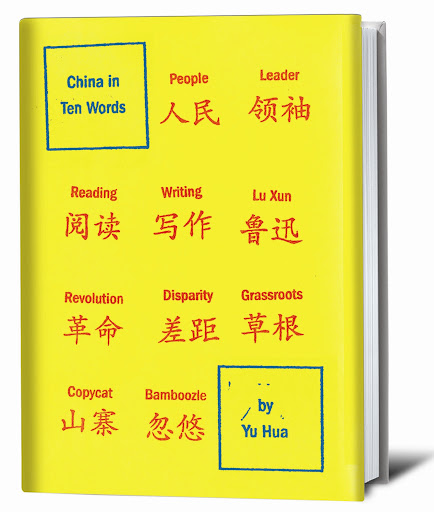
People. Leader. Reading. Writing. Lu Xun. Disparity. Revolution. Grassroots. Copycat. Bamboozle.
“This tiny lexicon gives me ten pairs of eyes with which to scan the contemporary Chinese scene from different vantage points,” says Chinese writer Hua of the framework for his new book about the culture that continues to shape modern Hawaii.
Hua wisely uses a simple narrative anchored in daily life and provides an accessible and riveting window into “the social complexities and staggering contrasts of contemporary China.”
FED UP WITH LUNCH. Sarah Wu (aka Mrs. Q). Chronicle Books. 191 pages. $22.95

Two years ago, Chicago public school speech pathologist Sarah Wu launched the anonymous blog “Fed Up with Lunch” to chronicle her experience eating school lunch every day for a year. In her new book, she takes the journey and her identity public for the first time. Think “Super Size Me” brought to nutrition and education, and a look at just a portion of America’s children who are said to consume up to half of their calories through school meals.
Wu has no specific connection to Hawaii, but community wellness and the health of our children is inextricably relevant here as we battle childhood diabetes and obesity. Photographs of each pre-packaged lunch are undeniably hypnotic, if also familiarly revolting, but it’s her earnest words and quiet revolutionary spirit that drew me in and got me pointedly thinking about school lunch’s very real implications.
-Christine Thomas
Eat the lotus @ literarylotus.com
 Literary Lotus